Hot Water Systems: Repair and Maintenance Guide for Optimal Performance
Introduction
Hot water systems are essential appliances in our daily lives, providing us with the comfort and convenience of warm water for various activities, including bathing, cooking, and cleaning. These systems play a crucial role in maintaining our quality of life, but like any other appliance, they require regular repair and maintenance to ensure they function efficiently and have a prolonged lifespan.
In this blog, we will explore what hot water systems are, the different types available, and the importance of their repair and maintenance. We will also provide you with valuable insights into how to perform routine maintenance on your hot water heater to avoid costly breakdowns and ensure uninterrupted hot water supply.
What are Hot Water Systems?
Hot water systems, also known as water heaters or hot water heaters, are devices that heat water for domestic or commercial use. They are an integral part of households, hotels, restaurants, and various other establishments. These systems ensure a ready supply of hot water for a variety of purposes, enhancing our comfort and convenience.
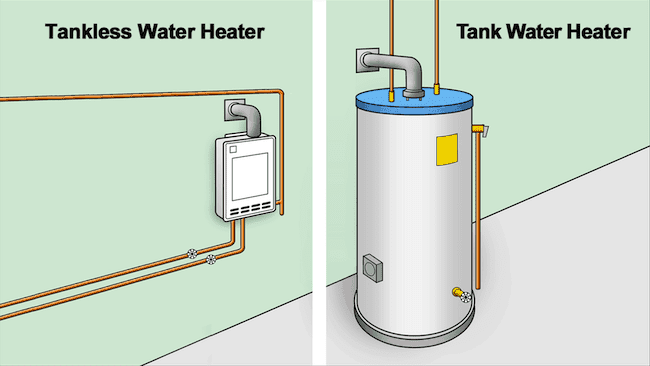
There are several types of hot water systems available, each utilizing different mechanisms to heat water. Some common types include:
Storage Tank Water Heaters: These are the most traditional type of hot water heaters. They consist of an insulated tank where water is heated and stored until it's needed. A thermostat controls the temperature, and the heated water is dispensed when the tap is turned on.
Tankless Water Heaters: Also known as on-demand water heaters, these units heat water directly as it flows through the device. They eliminate the need for a storage tank and provide hot water instantly, making them energy-efficient and space-saving.
Heat Pump Water Heaters: These systems transfer heat from the air or ground to heat the water. They are more energy-efficient than traditional electric water heaters and work well in moderate climates.
Solar Water Heaters: Solar collectors on the roof absorb sunlight and heat a fluid that transfers the heat to the water in a storage tank. These systems are environmentally friendly and can significantly reduce energy costs.
Condensing Water Heaters: These units are highly efficient and use the heat from exhaust gases to preheat incoming cold water. They are often used in commercial settings.
Importance of Repair and Maintenance
Regular repair and maintenance of your hot water system are crucial for various reasons:
Energy Efficiency: A well-maintained water heater operates more efficiently, consuming less energy to heat water. This leads to reduced energy bills and a smaller carbon footprint.
Cost Savings: Timely maintenance can identify minor issues before they escalate into major problems. This prevents costly breakdowns that may require extensive repairs or even a complete replacement.
Extended Lifespan: Proper maintenance can significantly extend the lifespan of your hot water system. Regular checks and adjustments prevent wear and tear, ensuring your investment lasts for years.
Safety: Neglected water heaters can develop leaks or even pose safety hazards like gas leaks or electrical malfunctions. Routine maintenance can identify and rectify these issues before they become dangerous.
Consistent Performance: Regular maintenance ensures a steady supply of hot water at the desired temperature. This is especially important for commercial establishments where customer satisfaction is a priority.
Repair and Maintenance Tips
Here's a step-by-step guide to help you perform routine repair and maintenance on your hot water system:
Read the Manufacturer's Manual: Familiarize yourself with the manufacturer's manual for your specific water heater model. This will provide you with essential information on installation, operation, and maintenance requirements.
Check the Pressure Relief Valve: The pressure relief valve is a safety feature that releases excess pressure to prevent the tank from bursting. Test it by lifting the lever and allowing some water to discharge. If the valve is faulty or doesn't release water, it may need replacement.
Drain the Tank: Sediment buildup can reduce the efficiency of your water heater. Periodically, drain a few gallons of water from the tank to remove sediment and maintain its performance.
Inspect the Anode Rod: The anode rod helps prevent corrosion in the tank. Over time, it can corrode and become ineffective. Inspect it annually and replace it if it's heavily corroded.
Check for Leaks: Regularly inspect your water heater and the surrounding area for any signs of leaks. Leaks can indicate a variety of issues, from a faulty valve to a cracked tank. Promptly address any leaks to prevent water damage and wasted energy.
Adjust the Temperature: Check the temperature setting on your water heater and ensure it's not set higher than necessary. Lowering the temperature slightly can save energy and reduce the risk of scalding.
Flush the Tank: Flushing the tank annually helps remove sediment and mineral buildup, which can affect the heating efficiency. Follow the manufacturer's instructions for proper flushing.
Inspect Gas Connections (if applicable): If you have a gas-powered water heater, ensure that gas connections are secure and there are no leaks. If you smell gas around the unit, turn off the gas supply and call a professional immediately.
Test the Heating Elements (for electric water heaters): If you have an electric water heater, test the heating elements for proper functionality. Follow safety precautions and turn off the power supply before performing any tests.
Schedule Professional Maintenance: While many maintenance tasks can be performed by homeowners, it's advisable to schedule professional maintenance at least once a year. A qualified technician can identify potential issues and perform more complex tasks.
Conclusion
Hot water systems are indispensable in our daily lives, providing comfort and convenience that we often take for granted. To ensure these systems continue to function efficiently and reliably, regular repair and maintenance are essential. By following the tips outlined in this blog, you can extend the lifespan of your hot water heater, save on energy costs, and prevent costly breakdowns. Remember that safety is paramount, so if you encounter any issues beyond your expertise, don't hesitate to seek professional assistance. With proper care, your hot water system will continue to serve you well for years to come.
Comments
Post a Comment